
A sheriff sale is how foreclosed properties are auctioned in judicial foreclosure states. Learn how sheriff sales work, redemption periods, and how to stop one before it's too late.
Rush response within 24 hours
Rush response within 24 hours
Every state has its own deadlines and protections. Time is your most valuable asset when a sheriff sale is approaching.
notice of sale must be published in legal newspaper before the auction
days between court judgment and the sheriff sale date in most states
redemption period after the sale — varies by state, check your rights
emergency TRO can halt a sale when time is critical
"Once the sheriff's gavel falls, the house is gone. But before that moment — there are legal steps that can save your home."
Don't wait until the day of the sale. These strategies can halt a sheriff sale — but timing and proper execution matter enormously.
A temporary restraining order can halt a sheriff sale within hours. Must allege irreparable harm and likelihood of success on the merits. Often used when standing defects or procedural errors exist.
Pay the full arrearage plus fees and costs before the sale to reinstate the loan. Many states allow reinstatement up until a certain number of days before the sale date. Check your state's statut.
Filing bankruptcy triggers an automatic stay that immediately halts all collection actions including sheriff sales. Works in all 50 states. Chapter 7 provides short-term delay; Chapter 13 allows you to cure arrears over time.
In judicial states, a motion to vacate the foreclosure judgment can be filed if there are procedural defects, lack of standing, or newly discovered evidence. Must be filed promptly.
If the foreclosing party cannot prove it holds the original promissory note, file a motion challenging standing. This is one of the most effective defense strategies. See our Standing to Foreclose guide.
Negotiating a modification can remove the need for a sale entirely. A short sale can be pursued with the lender's approval before the auction date.

When a sheriff sale is days away or already scheduled, every hour counts. Dream Legal Solutions provides educational information and document-preparation assistance for self-represented homeowners. We do not provide legal representation or appear in court on your behalf.
Understanding which type of sale applies to your situation is the first step to knowing your legal rights and timeframes.
| Factor | Sheriff Sale (Judicial) | Trustee Sale (Non-Judicial) |
|---|---|---|
| Court Involvement | Court judgment required before sale | No court involvement — trustee conducts sale |
| Timeline | 3-12+ months (court process dependent) | 2-4 months typically |
| Redemption Rights | Often 6-12 months post-sale redemption | None or minimal in most states |
| Defense Opportunities | Defend in the foreclosure lawsuit itself | Must file separate lawsuit to stop sale |
| Bidder Requirements | Certified funds often required | Cashier's check or cash typically |
| State Examples | FL, NY, IL, OH, NJ, PA, CT, MD, VA | CA, TX, GA, AZ, WA, NV, CO, OR |
Key takeaway: Whether your sale is a sheriff sale or a trustee sale dramatically changes your defense strategy. In judicial states, you defend within the foreclosure lawsuit itself. In non-judicial states, a self-represented homeowner may need to file a separate lawsuit. Dream Legal Solutions provides educational information and document-preparation assistance for self-represented homeowners nationwide; we do not provide legal representation. For the non-judicial equivalent, see our Trustee Sale guide, and for how a remaining balance may be pursued after a judicial sale, see Deficiency Judgment Defense.
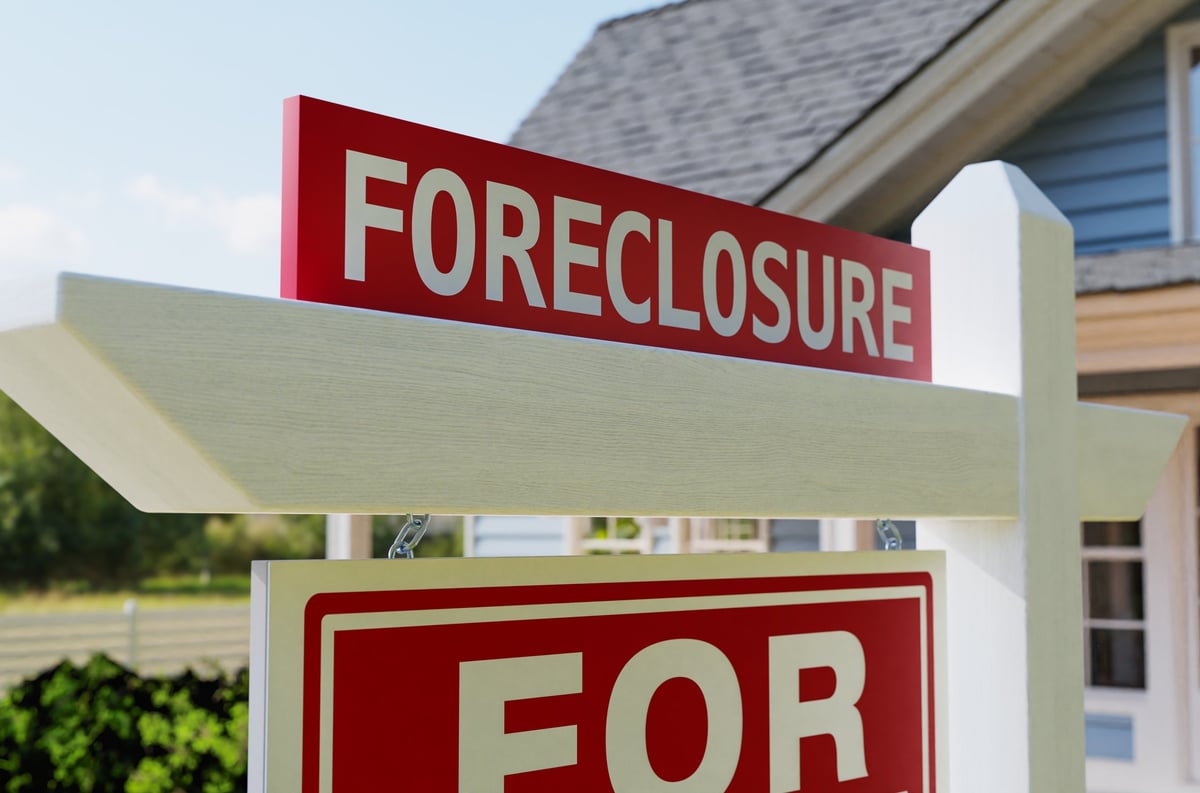
A sheriff sale can be halted — but only if you act. Whether it's a TRO, a standing challenge, or a motion to vacate, our team prepares the right legal documents for your situation and flies them at the right moment.
A sheriff sale is the public auction of a foreclosed property conducted by the county sheriff (or a designated officer) in judicial foreclosure states. After the court enters a final judgment of foreclosure, the sheriff is ordered to sell the property to the highest bidder. The sale typically takes place at the county courthouse and follows specific statutory procedures.
Florida, New York, Illinois, Ohio, New Jersey, Pennsylvania, Connecticut, Delaware, Maine, Maryland, Vermont, Indiana, Iowa, Kansas, Kentucky, Louisiana, Nebraska, New Mexico, North Dakota, Oklahoma, South Carolina, South Dakota, Wisconsin, Hawaii, Alaska — and others. In these states, the sale is conducted by the sheriff or court officer.
After the court case concludes, the judge signs an order directing the sheriff to sell the property.
The sale date is published in a legal newspaper, typically for 2-4 consecutive weeks. The notice includes the property description, sale date/time, and terms.
The sheriff auctions the property to the highest bidder. The lender often bids the amount owed (credit bid). Bidders typically need certified funds.
After the sale — sometimes after a redemption period — the sheriff issues a deed to the purchaser, transferring ownership.
Get emergency assistance to stop a sheriff sale before it's too late.
Get Emergency HelpNon-judicial auction comparison
Understanding judicial process
What a NOS means for sheriff sales
Strategies for sheriff sales
Post-sale redemption rights
Sheriff sale timeline by state
Facing a sheriff sale?
Start Your Free Case Review