
Vacant and abandoned properties face expedited foreclosure in many states. Learn how vacancy affects your foreclosure timeline, your rights, property preservation obligations, and how to defend against expedited vacant property foreclosure proceedings.
Rush response within 24 hours
Rush response within 24 hours
Many states have "fast-track" foreclosure procedures for vacant or abandoned properties — shorter notice periods, reduced redemption rights, and expedited court timelines. Under CFPB rules, mortgage servicers must have policies in place to identify potentially abandoned properties and secure them against further deterioration.
What this means for you: a vacant property that might otherwise give you months to find a solution could move toward foreclosure sale in a fraction of that time. Understanding how vacancy laws work in your state — and what defenses are available to you — is critical to protecting your equity and your rights.
Each of these areas gives lenders tools they can use to accelerate foreclosure — and each can be challenged with the right defense.
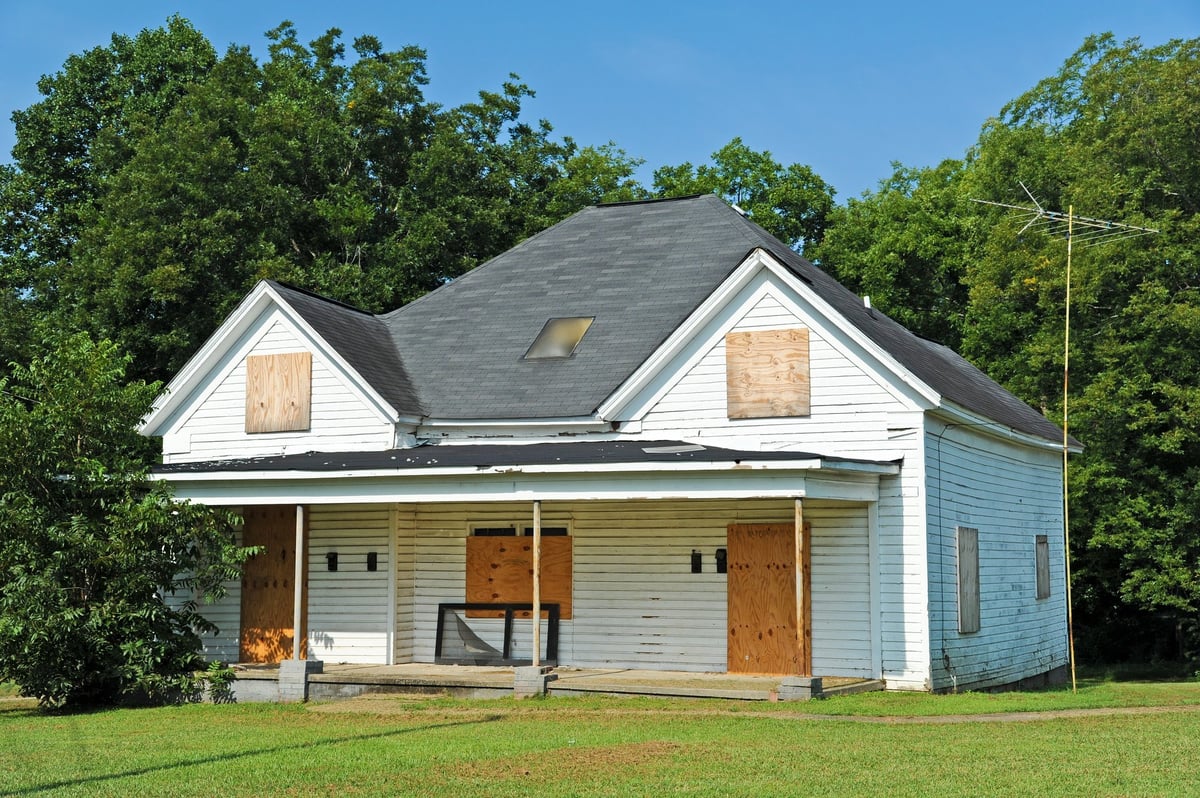
Lenders may declare a property abandoned based on visual inspection — boarded windows, disconnected utilities, trash accumulation, or a lack of response to outreach. This declaration unlocks fast-track foreclosure procedures.
Can be challenged if the property is not truly abandoned
Servicers conduct inspections and preservation work — securing doors, winterizing, lawn maintenance. These costs get added to your loan balance and grow every month you're not in the property.
Can be disputed if excessive or unnecessary
Municipalities target vacant properties with code enforcement — fines, liens, and even demolition orders. These create financial pressure on top of the foreclosure itself and complicate resolution.
Anti-blight ordinances can be leveraged in negotiation
Vacant property foreclosures are one of the fastest-moving types of foreclosure cases — but they are also one of the most defensible. Lenders frequently skip procedural requirements or rely on weak evidence of abandonment.
Document occupancy, show intent to maintain, or demonstrate you were in contact with the servicer.
Challenge unreasonable inspection and preservation fees added to your loan balance.
Leverage state-specific municipal regulations to negotiate a better outcome with the lender.
Expedited procedures mean abbreviated notice periods — every day matters. Don't wait.
Once a lender flags your property as vacant, the foreclosure process accelerates. Understanding the sequence — and where you can intervene — is your best chance at fighting back.
The servicer orders a property inspection — typically within 30 days of the first missed payment. The inspector documents conditions: whether windows are intact, utilities connected, and signs of occupancy.
If the inspector finds evidence of abandonment — boarded windows, disconnected utilities, accumulated mail or trash, no response to outreach — the servicer may formally declare the property vacant.
Courts fast-track vacant property foreclosures. Redemption windows shrink, notice periods are abbreviated, and the foreclosure sale can happen in as little as 30–45 days in some states.
If not stopped, the property is sold at auction. You can lose your home and any equity. Intervening before this stage is critical to preserving your rights.
Vacancy determinations are made by the servicer and often communicated only through newspaper posting or minimal notice. Many homeowners discover their property was flagged as vacant only when the foreclosure sale is days away. If you've been served or received any notice related to your vacant property, act immediately.
Even when a property appears vacant, federal regulations provide significant protections — many homeowners don't realize how much leverage these rules offer.
Servicers must follow specific protocols before declaring a property abandoned. They must document their basis, attempt to contact you, and cannot rely on a single inspection as conclusive evidence of abandonment.
Even for vacant properties, most states still require personal service or publication of foreclosure notices. Failure to properly serve you can invalidate the entire foreclosure — a powerful defense.
Courts look at a range of factors to determine genuine abandonment — not just whether someone was home on inspection day. Showing evidence of regular visits, maintained utilities, or intent to return works in your favor.
Servicers must review options like loan modification, forbearance, and short sale — even for vacant properties. Many servicers skip this step, creating a strong basis for a legal challenge.
Laws vary significantly by state. Because vacancy rules differ by jurisdiction, verify the specific requirements that apply to your property with the court rules or a licensed attorney in your state.
Free Case EvaluationThese statistics show why vacant properties are a high-priority target for lenders — and why acting quickly is essential.
of vacant properties are in some stage of the foreclosure process
months faster is the average expedited timeline for vacant property foreclosures
in average property preservation charges added to the loan balance per vacant property
lost equity for every month a vacancy determination goes unchallenged
"Vacant property foreclosures move at double speed. If you think your property might be flagged as vacant, don't wait for the notice — the clock may already be running."
Answers to the questions we hear most from homeowners facing vacant property foreclosure.

If your property has been flagged as vacant — or you think it might be — every day counts. Dream Legal Solutions provides educational foreclosure-process and document-preparation support for self-represented homeowners navigating the fast-track procedures that can apply to vacant property foreclosures.